Challenging the Status Quo
Traditional political strategy focuses heavily on targeting voters based on party affiliation or past voting history, activating known supporters, existing networks of money, and party infrastructure to influence endorsements, and election turnout.
I wanted to try something different.
When we serve in public office, we are responsible to the whole community:
Interestingly, political campaigns often do the opposite.

The Questions
What happens if a candidate chooses not to use any campaign mechanics that require targeting voters?
Can organic connection itself become the foundation of a campaign?
Can a non-affiliated candidate compete without using partisan tactics?
Does money really dictate outcomes?
What can we learn about how our local democratic systems are currently functioning?
The Experiment
Without focusing on likely voters, traditional targeting strategies, recruiting volunteers, or fundraising this experimental campaign style explored what would happen if a candidate, running a solo-campaign, prioritized broad accessibility, open dialogue, engaging with all people equally with no paid advertising, just genuine human connection?
THESE PARAMETERS OUTLINE THE CAMPAIGN OF CONNECTION
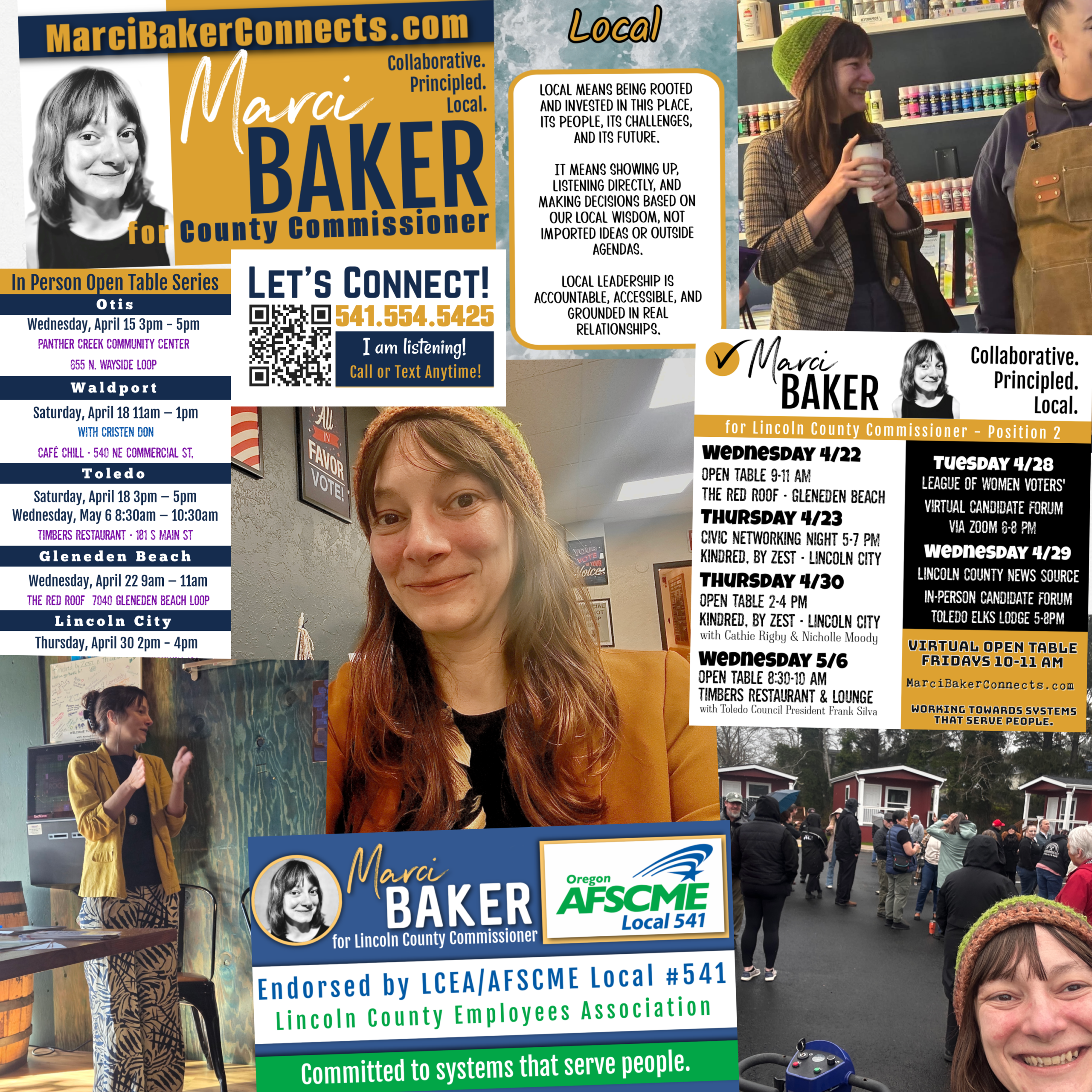
- Hyper-low budget campaign - no Political Action Committee or even grassroots fundraising. I spent less than $500.
- Centralized, self-managed website taking rolling questions from the public - addressing every question within 72 hours.
- Equal opportunity for anyone to submit community endorsements - none solicited.
- Freely Distribute Cell Phone Number - no screening calls!
- Accept every invitation and attend a many community events as possible.
- Commit to a schedule of "Open Table" events across the community
- Host a weekly video call for anyone to join - do not record, this increases openness of the discussion.
- Engage across a variety of social media platforms - I choose Facebook, Nextdoor, TikTok & YouTube
- Ensure anywhere false information or negativity is shared there is a link to something true.
- Engage at every opportunity!
- ...no boosted posts, no paid advertising, no targeting some and not others
- Commit to having fun!
Whether people realized it or not, the community itself became part of the experiment.
The Results are coming in...
What I am hearing from the community suggests a deeper question emerged from this campaign:
What is the difference between community visibility and electoral activation?
Countless people saw, followed, shared, discussed, encouraged, questioned, supported, or participated in the Campaign of Connection in some way.
Many told me they felt something different happening.
Some expresses feeling more hopeful, curious, connected, or more invited into civic life.
The election results tell one part of the story.
They reveal which limited segments of our community make these crucial decisions for all of us, the influence of traditional political infrastructure: institutional support, voter targeting, organized networks, high-propensity voter turnout, and established campaign systems.
But they do not tell the whole story.
You hold the rest of the story.
I am asking for your feedback, because I believe your lived experience is part of the data.
Great systems evolve through seeking critical feedback, listening carefully, examining assumptions, valuing local wisdom, and being willing to learn from what actually happened.
This was always about taking the first step toward modeling something new together.
Some things are more important than winning.
Your Participation in the Reflection & Evaluation provides indispensable perspective!
Preview the community survey & explore the results.